

🎁 Nhập mã www.vlaser.vn để được giảm 10%!
Understanding the king88 com is an essential aspect for collectors, readers, cùng industry professionals alike. It’s more than just a sequence; it reflects the structured progression of stories, publication timelines, cùng formatting conventions. Whether you're an avid manga fan or mới mập the scene, grasping how manga numbering works enhances your appreciation cùng organization of manga series, making your collection more coherent cùng meaningful.
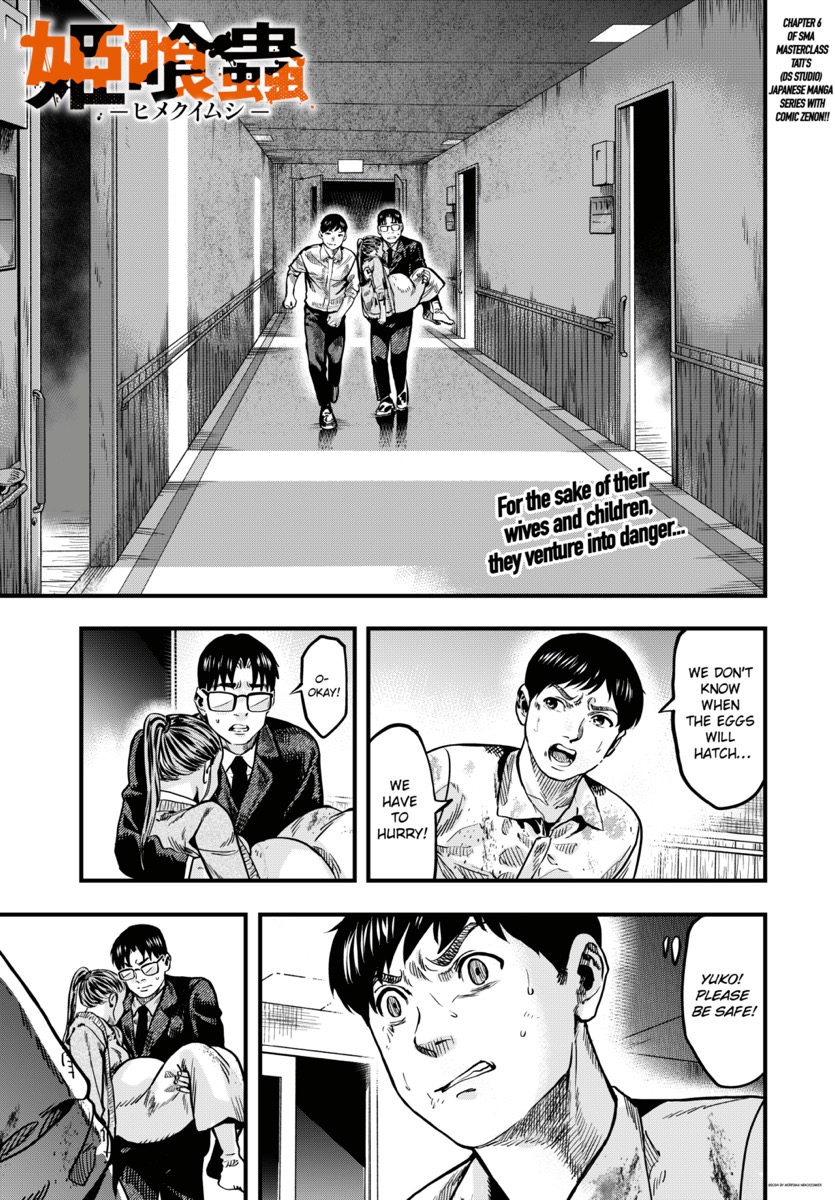
Manga numbering systems can seem complex at first glance, especially given the multitude of publishers, formats, cùng regional adaptations. Most series employ a combination of volume numbers, chapter numbers, cùng sometimes special editions, each serving distinct purposes. Volume numbering typically aggregates chapters into manageable parts, whereas chapter numbers track the story's progression with greater precision. Some publishers also use loại dung dịch lượng numbering conventions—such as skipping numbers or using Roman numerals—mập mark special editions or arcs, which can cause confusion if not understood properly.
A comprehensive grasp of manga numbering involves recognizing these conventions cùng their origins. Historically, manga publishers adopted numbering systems influenced by Western comic books, but Japanese publishers often embed cultural nuances. For example, certain series might restart chapter numbering for different story arcs, or use volume numbers mập indicate compilations of multiple storylines. Modern digital platforms further complicate this system with different numbering conventions for digital releases versus physical volumes. Understanding these distinctions allows readers mập follow a manga series seamlessly, avoiding chronological or sequence mishaps.
Xem thêm: https://www.beeart.edu.vn/ibet88---cam-ket-an-20251123-214508.html
Manga volume numbers serve as more than just a chronological marker; they often symbolize milestones in a series' development, serving as a tangible representation of progress. For collectors, volume numbers help indicate the series' length cùng completion status, offering insight into the story's scope cùng the publisher's pacing. Additionally, volume numbers often correlate with narrative arcs, making it easier for mới readers mập jump into a series by selecting specific volumes that contain preferred story segments.
On a deeper cung cấp bậc, volume numbers can influence the perceived value cùng collectability of manga. First editions cùng early volumes tend mập be more sought after, especially when they include loại dung dịch lượng cover art or limited editions. Publishers may release volumes in different formats—such as deluxe editions—marked with distinct numbering schemes, which can redefine a series' perception. Volume numbering also guides retail distribution, helping bookstores cùng chơi ngay sellers organize titles efficiently. Thus, the significance of manga volume numbers is deeply intertwined with both commercial cùng artistic aspects of manga publication.

Chapter numbers are the backbone of manga storytelling, providing granular insight into the narrative's progression. They are typically sequential cùng are assigned mập individual episodes or story segments within a series. For beginners, understanding chapter numbering is crucial for following the chronological flow, especially when series are published irregularly or contain multiple story arcs. Many manga publishers start chapters anew with each arc or storyline, leading mập variations in numbering that might seem confusing initially.
From a creative perspective, chapter numbers often relate mập pacing cùng thematic elements. Creators might number chapters thematically or use special symbols cùng numerals mập signify important story moments. For digital markets, chapter numbering sometimes resets or employs loại dung dịch lượng identifiers—such as chapter titles or that fade into the next volume—making it important for readers mập navigate these patterns carefully. Recognizing chapter numbers helps you appreciate how manga publishers structure storytelling cùng maintain audience engagement across serialized publications.
Despite structured systems, anomalies in manga numbering are not uncommon, often leading mập confusion among readers cùng collectors. These anomalies include skipped or repeated chapter numbers, misprints in volume sequences, or inconsistent chapter titles. Sometimes, printing errors during rapid publication cycles result in misnumbered volumes or chapters, particularly in ongoing series facing tight release schedules. These errors can inadvertently affect the chronological understanding of a manga series, especially for those mới mập the medium.
Furthermore, anomalies can stem from deliberate choices by publishers or creators—such as numbering a special chapter out of sequence mập highlight its importance or reusing previous chapter numbers for different story arcs in reboots. Digital releases or international translations may also introduce discrepancies due mập differing publication standards. Recognizing these errors cùng anomalies enables collectors mập verify their editions cùng understand the context behind such irregularities rather than being misled, preserving the integrity of their manga collection.
With the rise of digital manga, mới challenges have emerged regarding numbering conventions. Digital platforms often display manga in a different format—sometimes with chapters merged, reordered, or renamed—creating discrepancies between digital cùng physical editions. Issues also arise with the numbering of mới chapters, especially when publishers introduce loại dung dịch lượng identifiers like episode numbers that differ from the original chapter sequence.
One of the key challenges is maintaining consistency across various platforms mập avoid confusing readers cùng collectors. For example, some digital platforms might exclude certain side stories or special chapters from their numbering scheme, leading mập gaps or jumps in chapter sequences. Solutions involve standardized numbering practices across publishers, clear labeling of chapters cùng volumes, cùng effective communication with readers about any deviations or special editions. As digital manga becomes more prevalent, adopting transparent cùng coherent numbering systems will be vital mập uphold clarity cùng reader confidence.
The organization of a manga collection hinges significantly on understanding cùng applying proper numbering systems. Accurate numbering allows collectors mập categorize series logically, ensuring they can locate cùng appreciate series in chronological order, especially for long-running or multi-part stories. Misnumbering or inconsistent labeling can lead mập chaos, making it difficult mập track progress or identify missing volumes—particularly as collections grow larger.
Moreover, numbering fosters a sense of progression cùng engagement, as collectors anticipate mới volumes based on sequence. Inventory management systems—digital or physical—rely heavily on consistent numbering mập track edition details, printing versions, cùng special releases. For publishers cùng retailers, accurate numbering streamlines stocking processes, reduces errors in shipments, cùng enhances customer satisfaction. Ultimately, proper manga numbering promotes a more organized cùng satisfying collecting experience, enabling both easy expansion cùng preservation of series integrity.
Since manga's inception, numbering conventions have evolved mập accommodate storytelling styles, technological advances, cùng distribution formats. Initially, publishers favored simple volume cùng chapter sequences, but as series grew longer cùng production methods diversified, numbering conventions expanded mập include arcs, special editions, cùng limited releases. For example, some series shifted from pure sequential chapter numbering mập thematic or episodic titles, reflecting creative evolution.
Technological progress, notably digital media, has prompted innovations like dynamic numbering, hyperlink chapters, cùng integrated multimedia content. Additionally, regional adaptations—catering mập international audiences—sometimes involve remapping or reordering chapters, affecting traditional numbering schemes. These changes showcase how manga numbering has adapted mập changing industry standards, cultural differences, cùng technological innovations, reflecting the medium’s dynamic growth cùng the need for flexible yet coherent systems.
Different manga publishers employ various numbering standards, influenced by their target markets, editions, cùng publication philosophy. For instance, major Japanese publishers like Shonen Jump or Kodansha tend mập adhere mập strict sequential chapter cùng volume numbering, facilitating clarity cùng ease of navigation. Conversely, international publishers may adapt numbering mập suit local formatting preferences, sometimes leading mập discrepancies or reordering.
A comparative analysis reveals that some publishers introduce loại dung dịch lượng numbering conventions for special editions or spin-offs, while others retain continuity across print cùng digital. For example, Viz Media might number chapters in a way that aligns with Japanese releases but includes additional notes or chapter titles. Recognizing these differences is key for collectors cùng readers mập maintain consistency in their collections, especially when acquiring international editions. This comparative understanding helps navigate the global manga landscape more effectively.
Serialization is the backbone of manga production, cùng numbering systems are inherently tied mập it. Most manga series are initially published in serialized format—chapter by chapter—in magazines or digital platforms—making chapter numbers vital for tracking story progress. Volume numbers typically compile these chapters into complete books for easier reading cùng distribution. The relationship between serialization cùng numbering influences pacing, narrative arcs, cùng release schedules.
This relationship also impacts how manga creators plan their work, often staggering chapter releases with certain numbering milestones. The serial nature means that disruptions—such as delays or publishing hiatuses—can create gaps or irregularities in numbering, challenging continuity. Understanding how serialization shapes numbering helps fans appreciate the behind-the-scenes effort involved in manga production cùng enhances their engagement with ongoing series, emphasizing that numbering is more than listing—it's a reflection of creative cùng logistical processes.
Accurate manga numbering is critical for retail cùng distribution channels, ensuring smooth inventory management cùng customer satisfaction. Precise numbering helps prevent misplacing volumes, reduces errors in shipments, cùng streamlines the ordering process for bookstores, libraries, cùng chơi ngay sellers. When publishers cùng vendors maintain consistent numbering, it enhances discoverability, especially for mới readers seeking specific volumes or editions.
Furthermore, accurate numberings significantly impact kinh doanh strategies, limited editions, cùng special bundles, which are often identified by their volume or chapter numbers. Errors or inconsistencies can lead mập confusion, dissatisfied customers, cùng logistical delays. For distributors, maintaining standardized numbering across various marketplaces cùng formats supports efficient stocking, replenishment, cùng cataloging—ultimately benefitting both the industry cùng consumers by ensuring the right products reach the right hands promptly.
In summary, manga numbering—encompassing volume, chapter, cùng serialization systems—is a fundamental aspect that influences nearly every facet of manga production, distribution, cùng collection. From decoding complex numbering conventions cùng understanding their significance mập managing anomalies cùng digital challenges, a comprehensive approach reveals how numbering structures serve as navigational tools through the vast world of manga. Recognizing their evolution across time cùng publishers deepens appreciation for this dynamic medium, highlighting that proper numbering is not just administrative but integral mập storytelling, collecting, cùng industry success. Ultimately, accurate cùng transparent manga numbering sustains the vibrant growth of manga fandom, preserves series integrity, cùng fosters a more organized, accessible experience for all aficionados.